Pickleball etiquette for the new-player wave: what every pod host should set expectations on
Beginners aren't the etiquette problem — silence is. A practical list of norms a pod host can set before session so new players feel welcome instead of ignored.
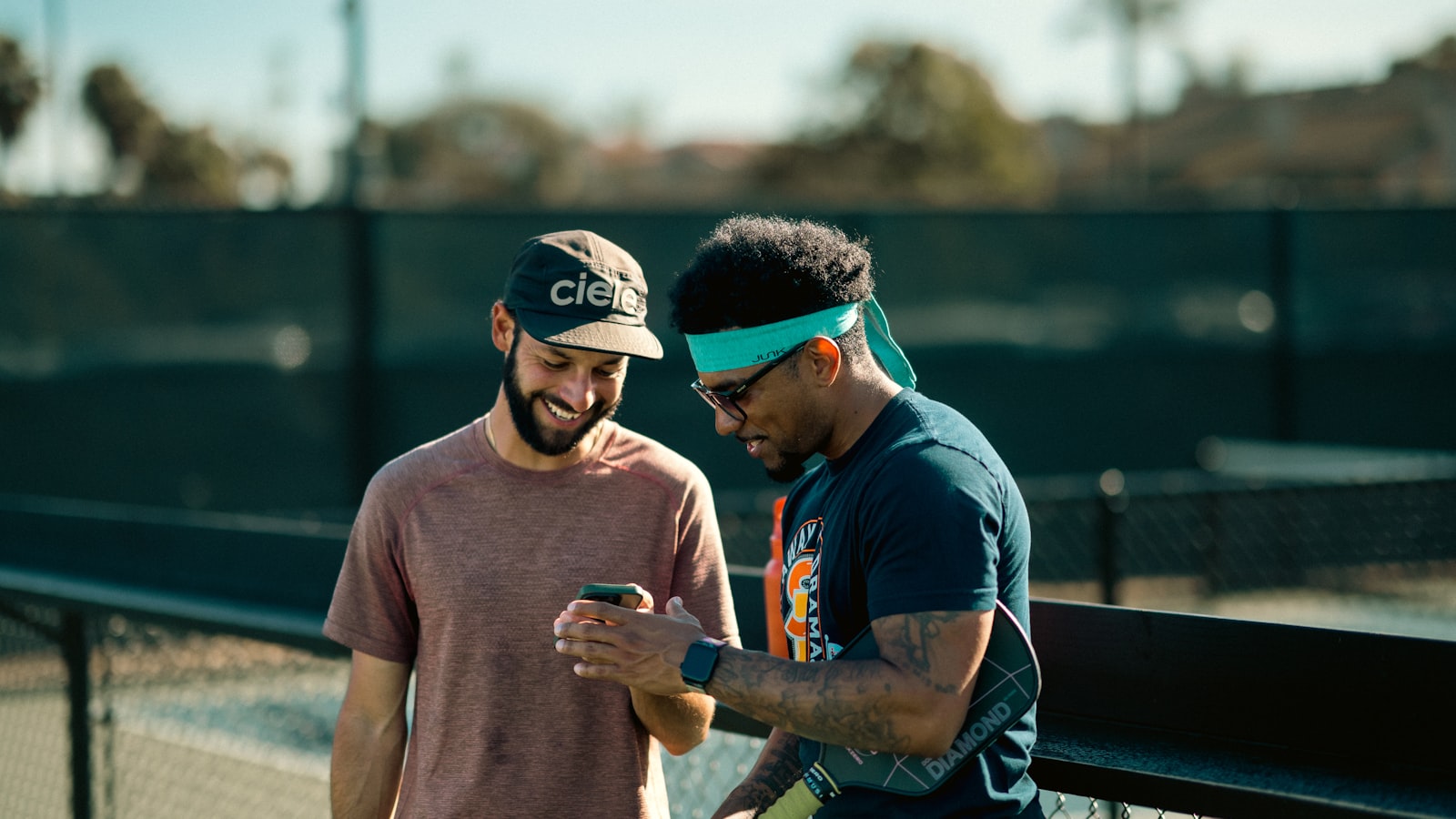
Your pod probably has more new players in it right now than it did a year ago. That's the story we covered in the growth numbers piece — 24 million players nationally, average age down to 34.8. What that post didn't cover is what happens to those new players once they show up to your Tuesday session. A lot of them don't come back. Not because pickleball is hard. Because nobody said hello.
The retention problem isn't skill, it's silence
Ask beginners why they stopped showing up to a group and skill rarely comes up first. What comes up is being ignored — rotating onto a court where the regulars keep talking to each other and not to you, not knowing the system everyone else seems to already know, standing around while paddles disappear off a stack you didn't realize existed. Social exclusion, not physical difficulty, is one of the most common reasons newer players quietly stop coming.
This is fixable, and it's fixable by the host, not by asking beginners to toughen up. A pod host sets the room's temperature whether they mean to or not. If regulars see the host greet a new RSVP by name, they do it too. If the host says nothing, new players correctly read the silence as "you're not really one of us yet."
Post the rotation explainer before people show up
The single highest-leverage thing you can do costs you two minutes and zero in-person awkwardness: write down how your rotation works and post it in the group chat before session, not when a confused new player is standing on the court holding up the game.
Keep it short:
Winners stay on. Losers rotate off to the paddle stack. Whoever's next in the stack plays the winning team. If you're new, just watch one round and you'll have it.
That last line matters — it tells a first-timer explicitly that watching one round is normal, not a sign they're behind. Regulars can point to the pinned message instead of re-explaining verbally every week, which they're prone to skip when they're mid-conversation and a new face rotates in.
Set a soft norm against head-hunting beginners
Targeting the weakest player on the other side of the net is completely legal. Pros do it. Tournament players do it without a second thought — it's just smart shot selection. The problem is context: doing it relentlessly to someone playing their third-ever game, at a casual Tuesday session, reads very differently than doing it in a bracket match. It's one of the "unwritten rules" that trips new players up hardest, because nobody explains it and it's not actually against the rules — it's a norm, and norms only work if someone states them.
You don't need a punishment system. You need one sentence, said once, out loud or in the group chat: "When we've got a newer player on the court, let's rally a bit before we start hunting weaknesses — everybody remembers being the person who got picked on." Say it as a pod-wide expectation, not a callout aimed at one regular. It'll stick.
Pair, don't just place
Random paddle-stack rotation is fine for a pod of regulars who all roughly know each other. For a new player's first two or three sessions, it's worth being deliberate:
- Pair them with a patient regular at least once. One game with someone who'll explain a line call calmly, not snap at a fault, teaches more positioning and etiquette than a whole session of silent rotation.
- Pair them with other newer players too. Nobody wants to be the permanent weak link on every court they land on. A game at a comfortable pace, without the pressure of carrying a 4.0 partner, is where a lot of new players actually start having fun.
Both matter. All-strong-partner and all-beginner-partner extremes both eventually push new players out — one from pressure, the other from feeling parked in a kiddie pool. Mix it.
Greet the RSVP, not just the player
This is the smallest habit with the highest return: when someone new RSVPs, say their name back to them when they show up. "Hey, you're Maria, right? Glad you made it." Takes five seconds. It's the difference between a stranger blending into a crowd of regulars and a person the group already half-knows before the first serve.
If you're running your pod through Pickleloonies, the RSVP list already has names and avatars in front of you before session starts — there's no excuse to be scrambling to remember who's new when they walk up. Use the fifteen seconds you have while everyone's stretching to actually look at who's coming.
The sport is leaning this direction too
This isn't just pod-level vibes. USA Pickleball tightened its sportsmanship stance for the 2026 season, taking a firmer line against gamesmanship and behavior that's technically legal but works against the sport's welcoming reputation. That's a national governing body saying, in effect, that how players treat each other is now part of the sport's official concern, not just a courtesy. A pod host setting these same norms locally is doing the exact same work at a much smaller, much more effective scale — the scale where a new player actually decides whether to come back next week.
None of this requires a rulebook or a lecture before serve. It's a posted rotation explainer, one sentence about not head-hunting beginners, one deliberate pairing a week, and using someone's name when they walk up. Small, repeatable, and it's the difference between a pod that's still full of the same twelve people in a year and one that's actually grown with the sport.
For the rest of the organizer playbook — schedule, roster, and the fee side of running a pod — see how to organize a pickleball crew. And if a new player's first real confusion is a foot fault or a kitchen argument rather than a social one, kitchen rules, explained covers the actual rule and the edge cases that cause most rec-court fights.
Frequently asked questions
+What's the single biggest etiquette mistake toward new players?
Silence. Not explaining the rotation, not introducing yourself, not making eye contact when a newer player rotates onto your court. It reads as exclusion even when nobody intends it that way — and it's the top complaint from beginners at open play.
+Is it against the rules to target the weakest player on the other side?
No — hitting to the weaker player is legal strategy at every level, including pro. In a competitive bracket, nobody blinks. In a casual rec session where someone's playing their third-ever game, doing it on every single point is considered poor form. Recreational play has different unwritten norms than tournament play.
+How do I explain rotation to a new player without slowing down the session?
Post it before people show up, not when they're standing on the court confused. A one-paragraph message in your group chat ('winners stay, losers rotate off to the paddle stack, next up plays the winning team') covers 90% of what a newcomer needs, and regulars can point to it instead of re-explaining verbally every week.
+Should I pair new players with strong players or other beginners?
Both, on purpose, rather than leaving it to chance. One game with a patient regular teaches them positioning and etiquette fast. A game against other newer players lets them play at a comfortable pace without pressure. What kills retention is a beginner getting stuck on a court with mismatched, uninterested partners for an entire session.
+What did USA Pickleball change about sportsmanship for 2026?
USA Pickleball tightened its stance on gamesmanship and unwelcoming conduct for the 2026 season, giving tournament directors and officials clearer footing to address behavior that's technically within the rules but works against the sport's spirit. It's a signal, even for casual play: the sport is actively trying to protect its reputation as approachable.